


I started out with a design I had in mind for a museum. After some mishaps with the 3d modeling software, I got inspired to make some monumental structures that are placed in the middle of nowhere. The designs are inspired by the Spomeniks which are placed all throughout former Yugoslavia. Every monument is made from the same basic shape, but configured differently to accommodate the experience and ambiance of the environment.

Monument in the desert

Monument in the sea

Monument in a wheat field
I started out the day with a design I had in mind for a museum. But after some mishaps with the 3d modeling software, I got inspired to make some monumental structures that are placed in the middle of nowhere. The designs are inspired by the Spomeniks which are placed all throughout former Yugoslavia.
Monument in the desert
Monument in the sea
Monument in wheat field
The second assignment for the Major Garden Architecture was an assignment for a park on the city-moat of Gouda.
The city is famous for it’s cheese and stroopwafels. But the public space is not designed to bring out this international fame. This is why the city needed a new modern design.

The location of Gouda within the Netherlands surrounded by the well-known places.
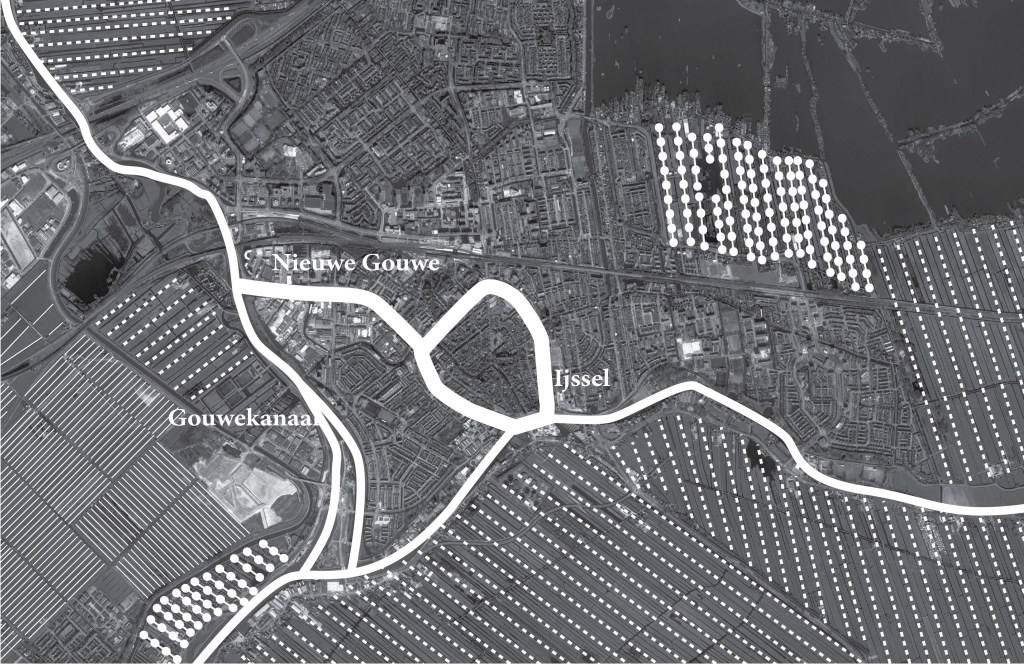
Difference in outline of the peatlandscape

L to R. Entrances and route to downtown, Entrance and moat ambiance, formal outer ring and informal inner ring

L to R: Greenstructure analysis, entrance, and route in the project area, sight from surrounding places.

Picture analysis showing the volume of an apartment complex
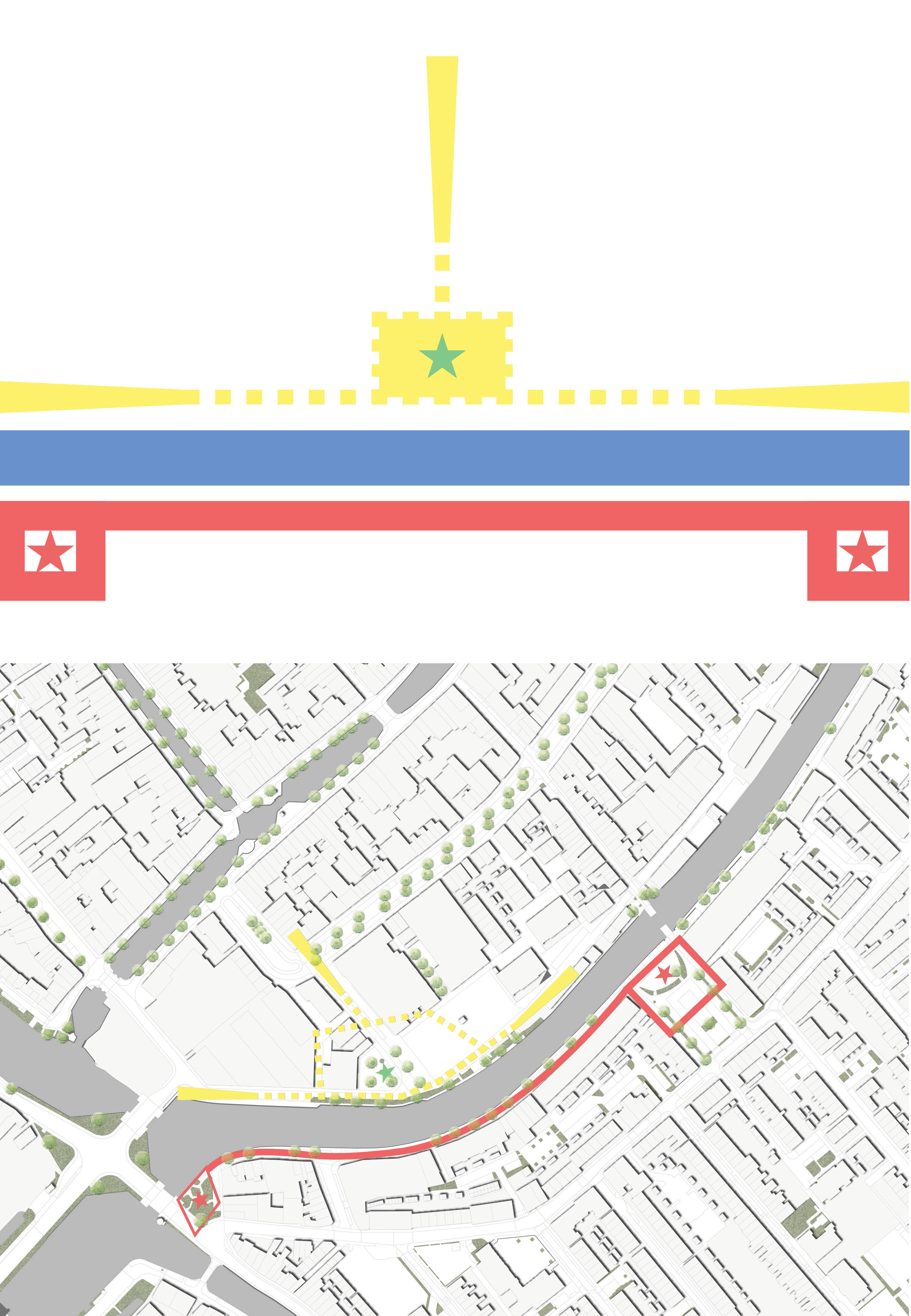
Concept: accelerate, slowing down, and stopping
The concept comes from the analysis that shows that the inner and outer ring have a difference in usage. On the outer ring, people move quickly from A to B, while the irregular placement of trees hinders movement and promotes lingering.
The other important aspect is that the blind spot, which can connect the center with the moat. This is an area with great potential, which will vanish if a big structure divides and blocks the space.

Masterplan partial city-moat

Cross section acceleration outerring.

Transition from existing pavement

The three zones and their function

Detail design.
On a more detailed level, you see that there are three distinctive zones, each meant for a different target group. The cultural and library zone are connected by a building with a open ground level.
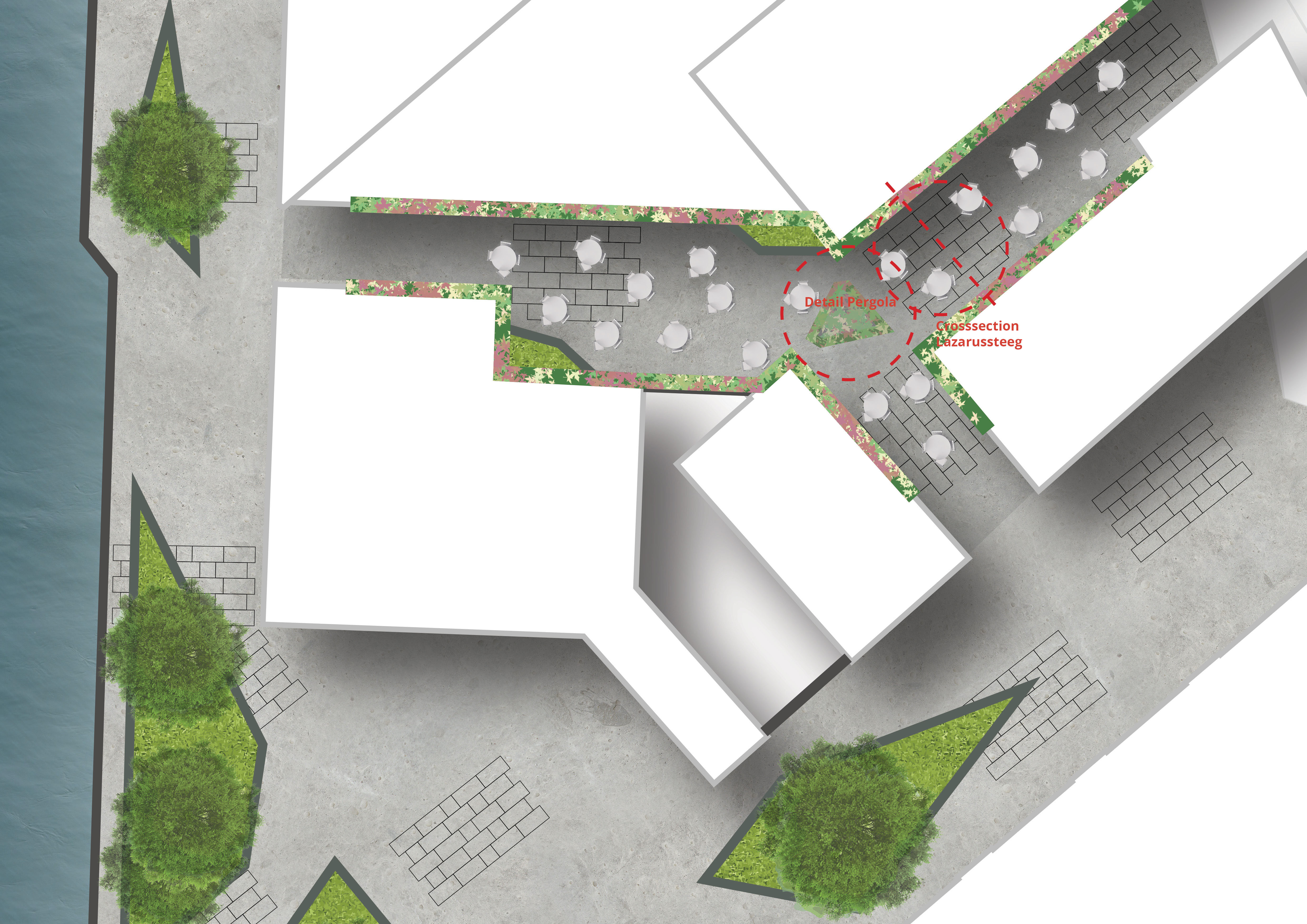
Lazarussteeg

Cross section Lazarussteeg
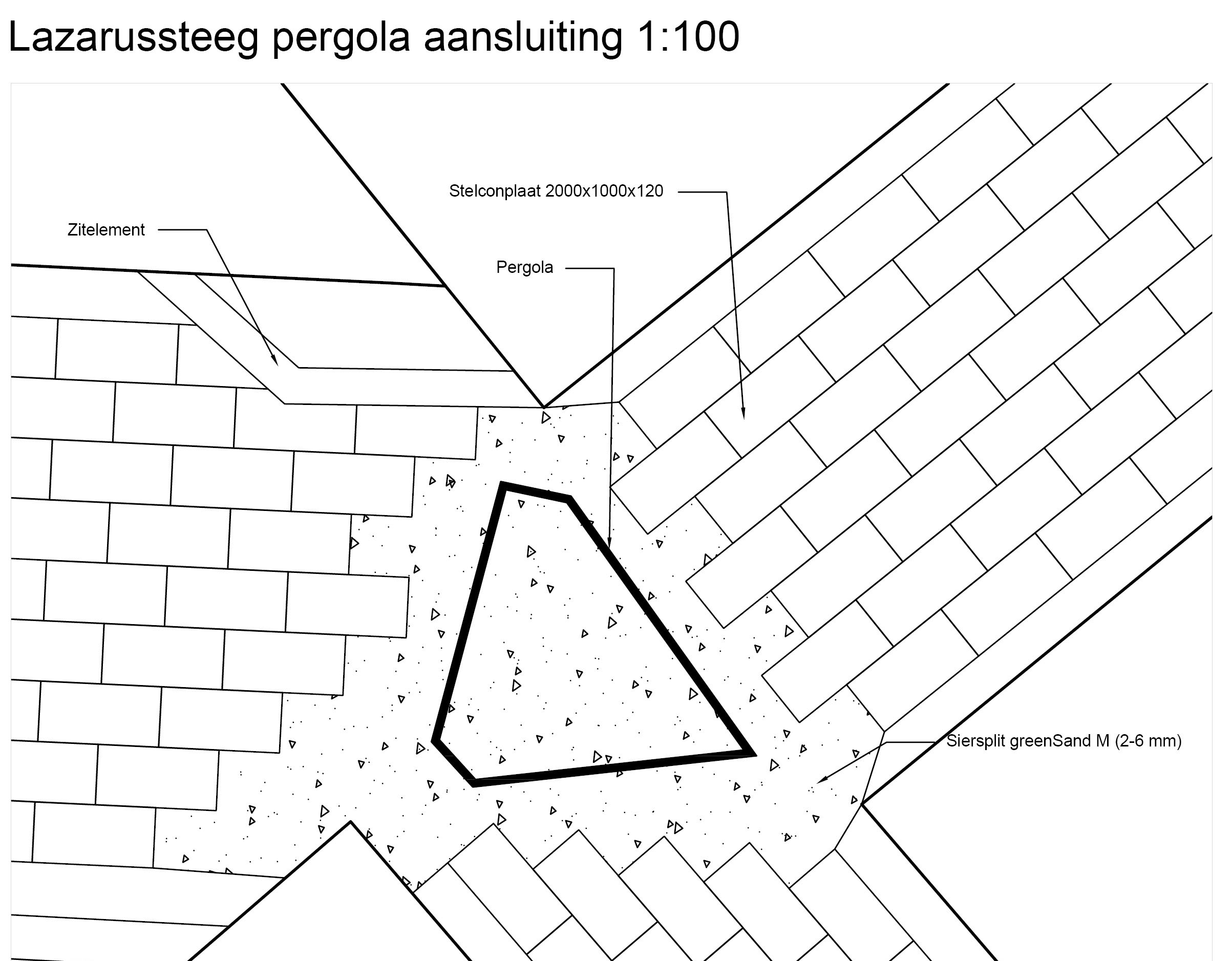
Pavement detail around the pergola

Pergola construction.
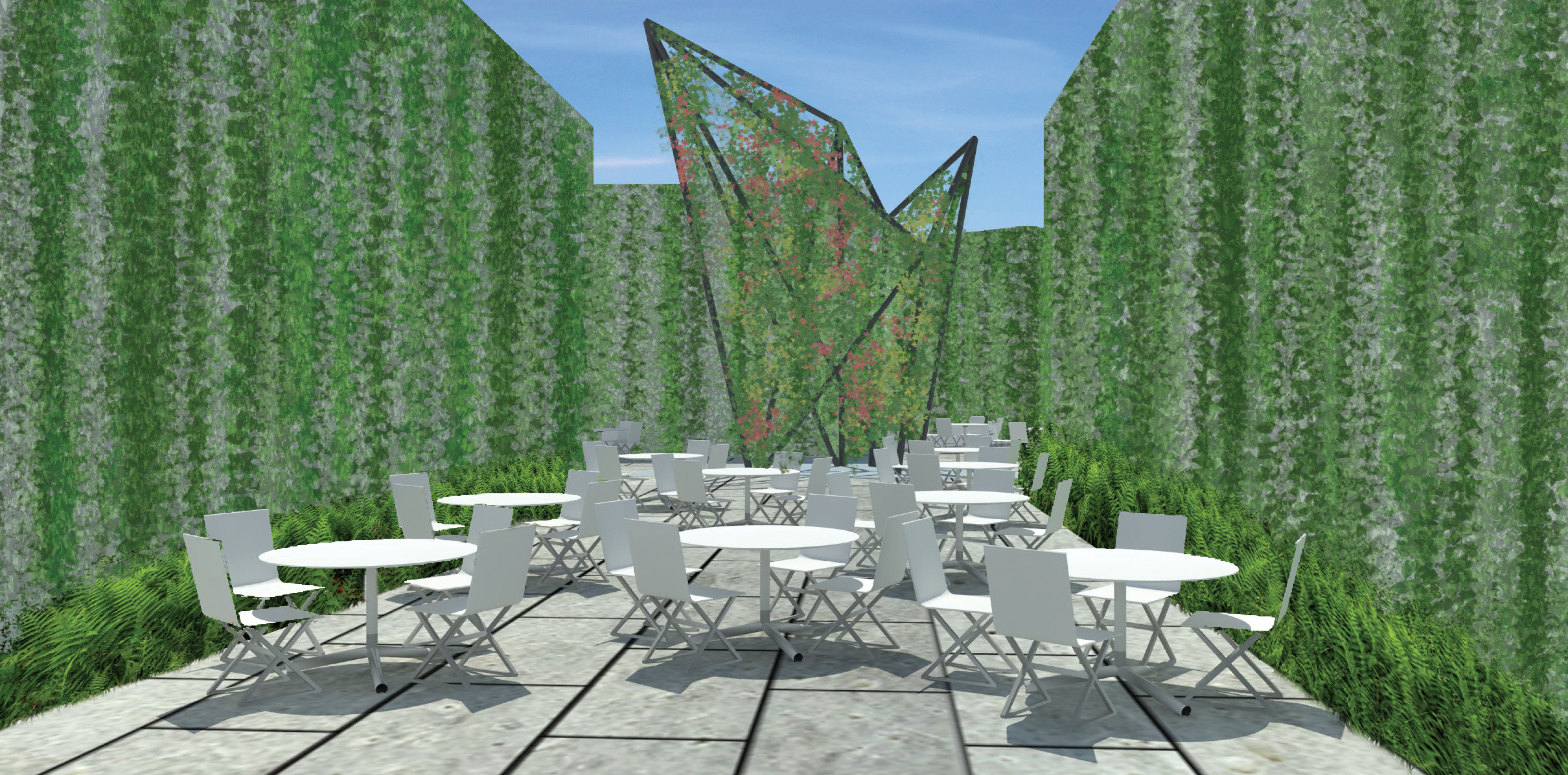
Visual Lazarussteeg.
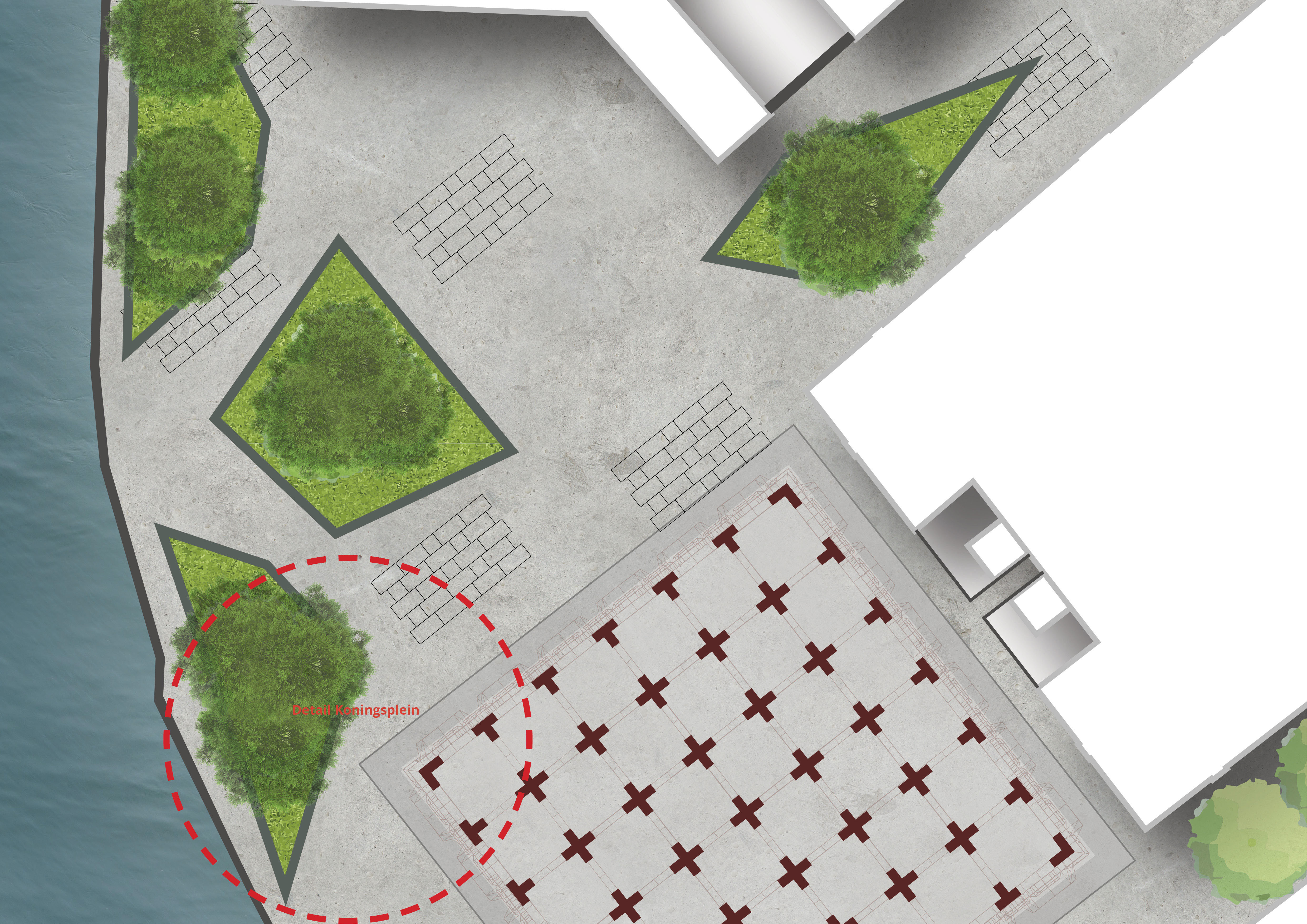
Koningsplein

Principle section illustrating shape of the flowobjects

Detail koningsplein

Koningsplein visual

Section Koningsplein and Erasmushof

Walking route.
The walking routes decide where the placement of restaurants will be. These will be placed in the crowded area’s to promote even more lingering.

Koningsplein visual

Lazarussteeg
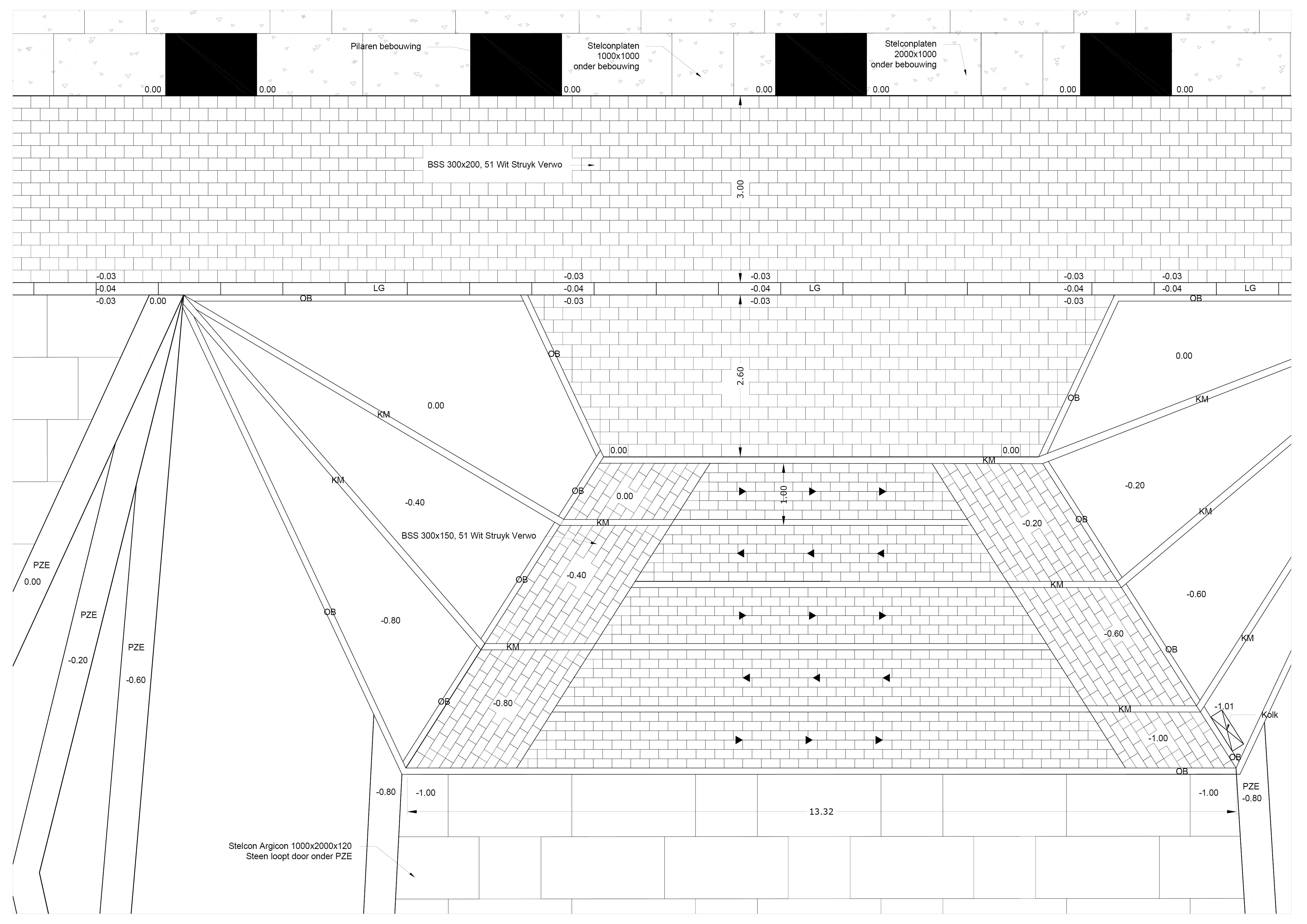
Detail stairs
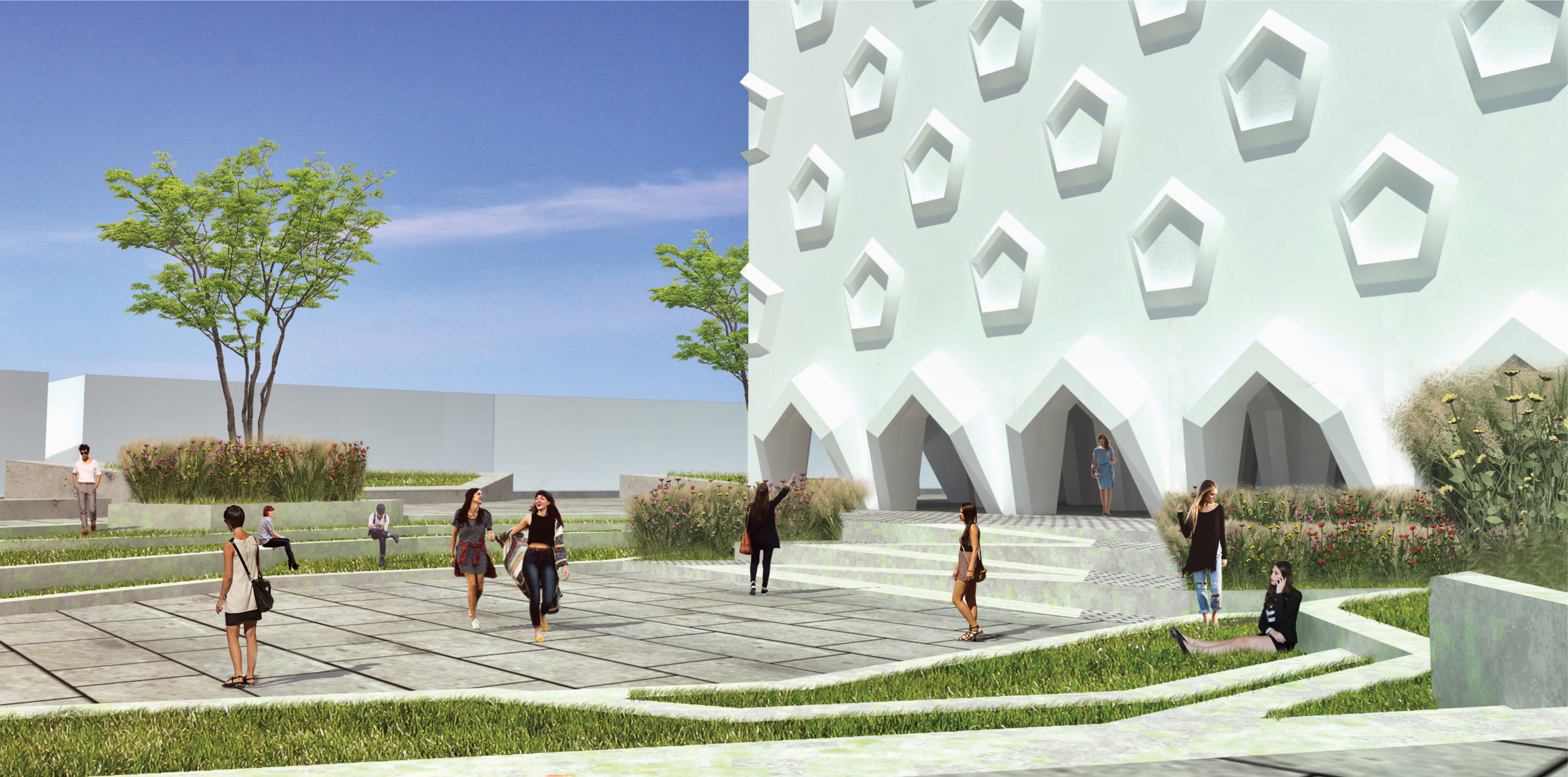
Erasmushof visual
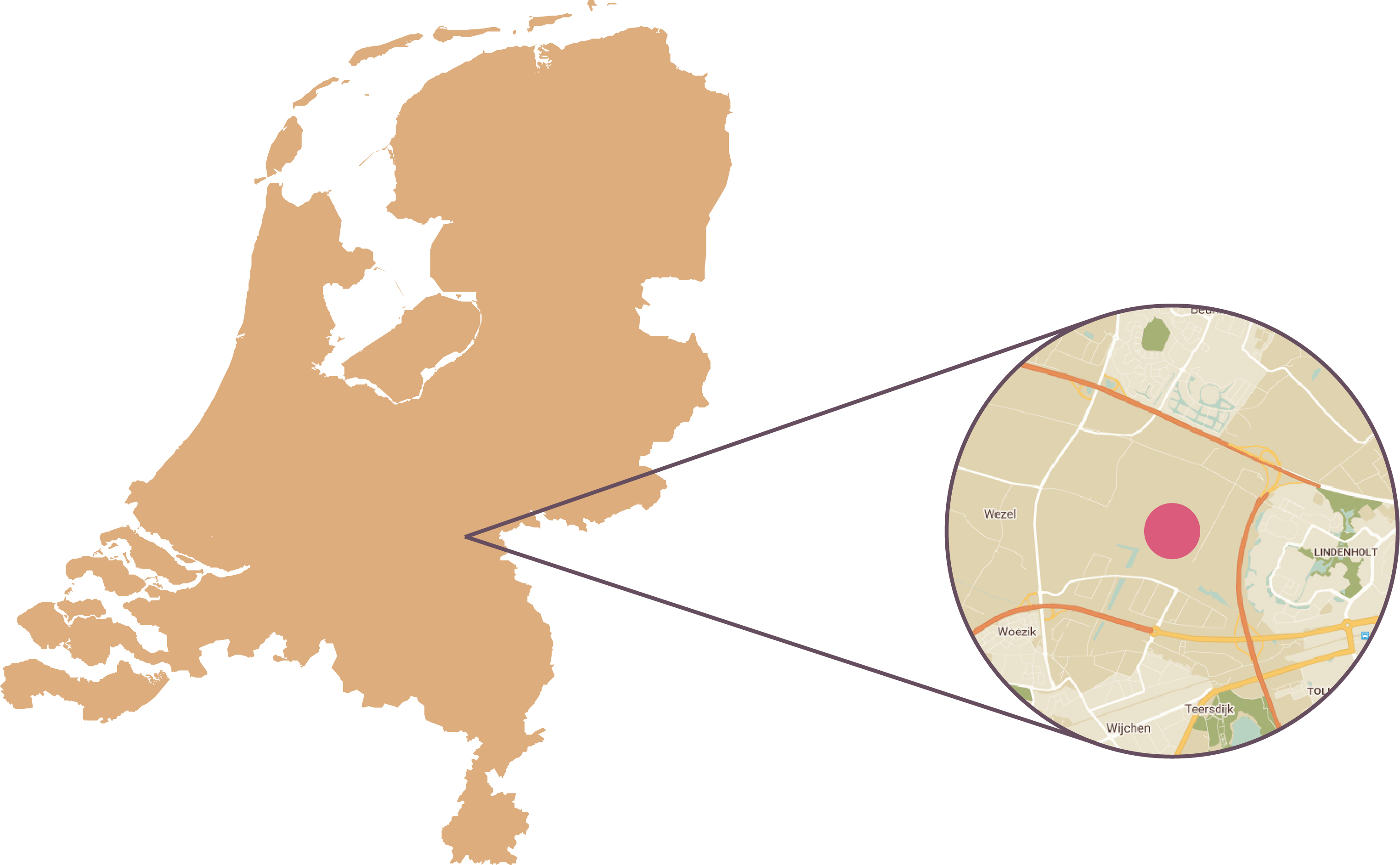
In late August 2016 I got the assignment to design a 16 hectare (40 acre) zoo. This zoo was going to be situated near the city of Nijmegen in the Netherlands.
The client asked for an innovative zoo that stand out of the other ones situated in the Netherlands. I thought, why only Netherlands? Always shoot big and for this zoo it means that it should go for international fame! With that in mind I designed a zoo which contains a stylized landscape of the four basic climate area’s in the world.

From L to R: Mass and Space, Parcels and conclusion
The conclusion is that there are many of big spaces in the area and the parcels are mostly straight lines. The forest where the zoo is situated is a barrier between the east and west.

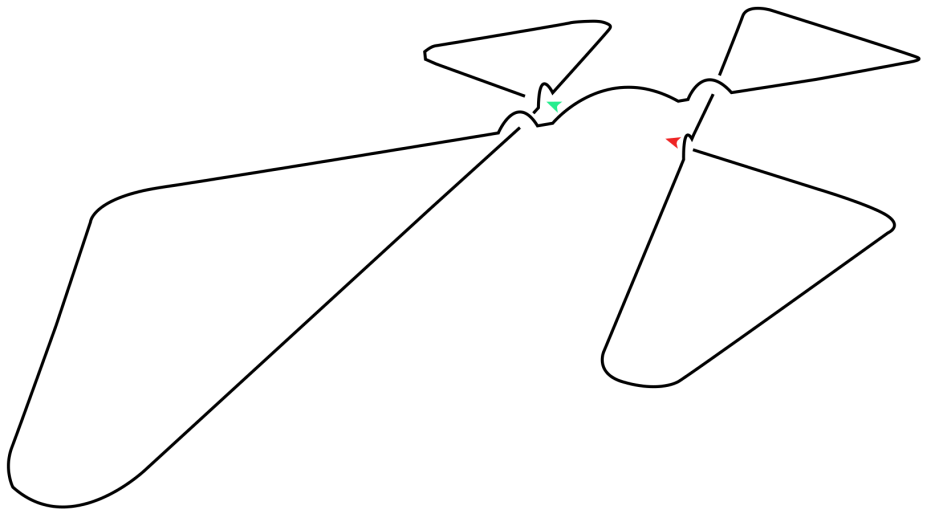
Concept: The Mobius band.
The concept for the zoo is the Mobius band. When you make the Mobiusband from paper and cut it twice lengthwise, it creates four bands that interlock at the centre. I found that this is an interesting shape for the zoo. When the shape is translated into a pathway it creates a circuit and an clear main path for visitors to follow.
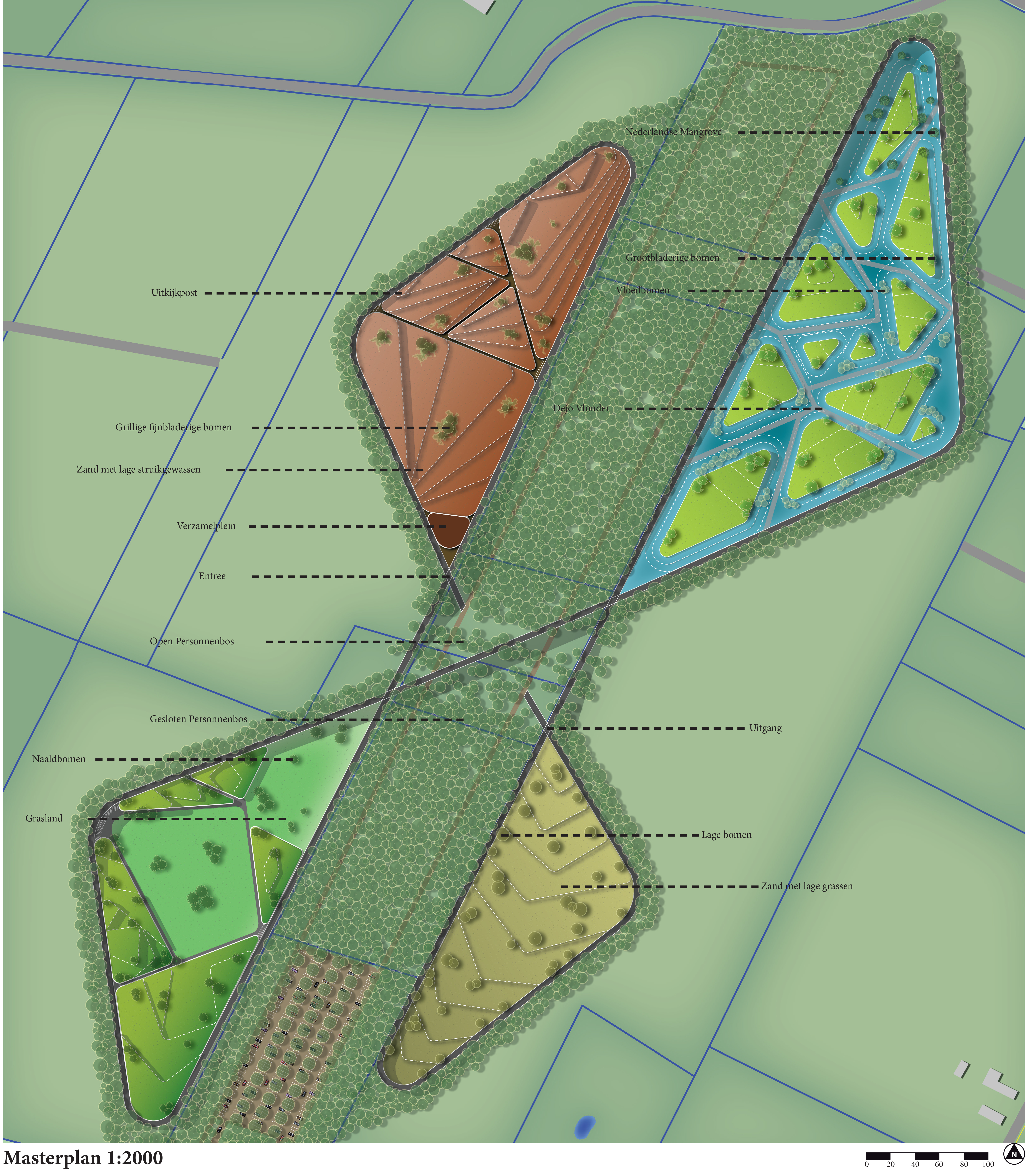
The designs reaction on the surrounding landscape can be broken down into three scales. In the biggest scale the zoo compliments the size of the existing forest, by joining its size. In the middle the forest is a bit more open, so people can peek into the landscape. The second reaction is on the straight lines that were concluded in the parcelmap. The addition of curves gives the zoo something extra that the surrounding does not have. On the final level the straight lines and curves are implemented to create the zones, and every zone has its own characteristics.
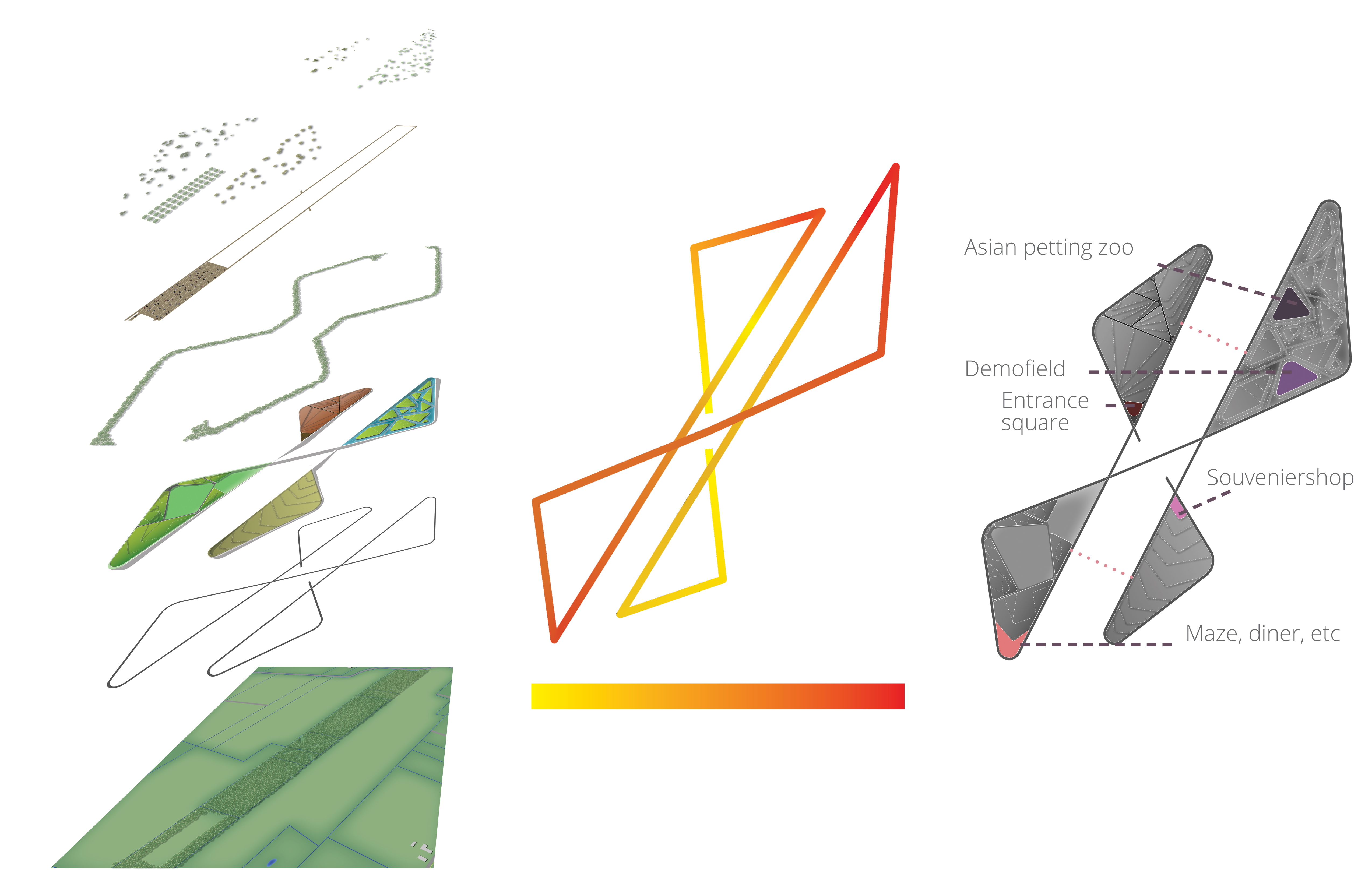
From L to R: Exploded axon, heightmap, functions

Height and crossing points
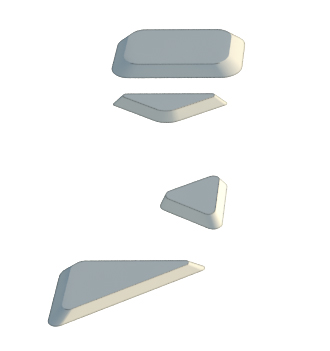
Shape study
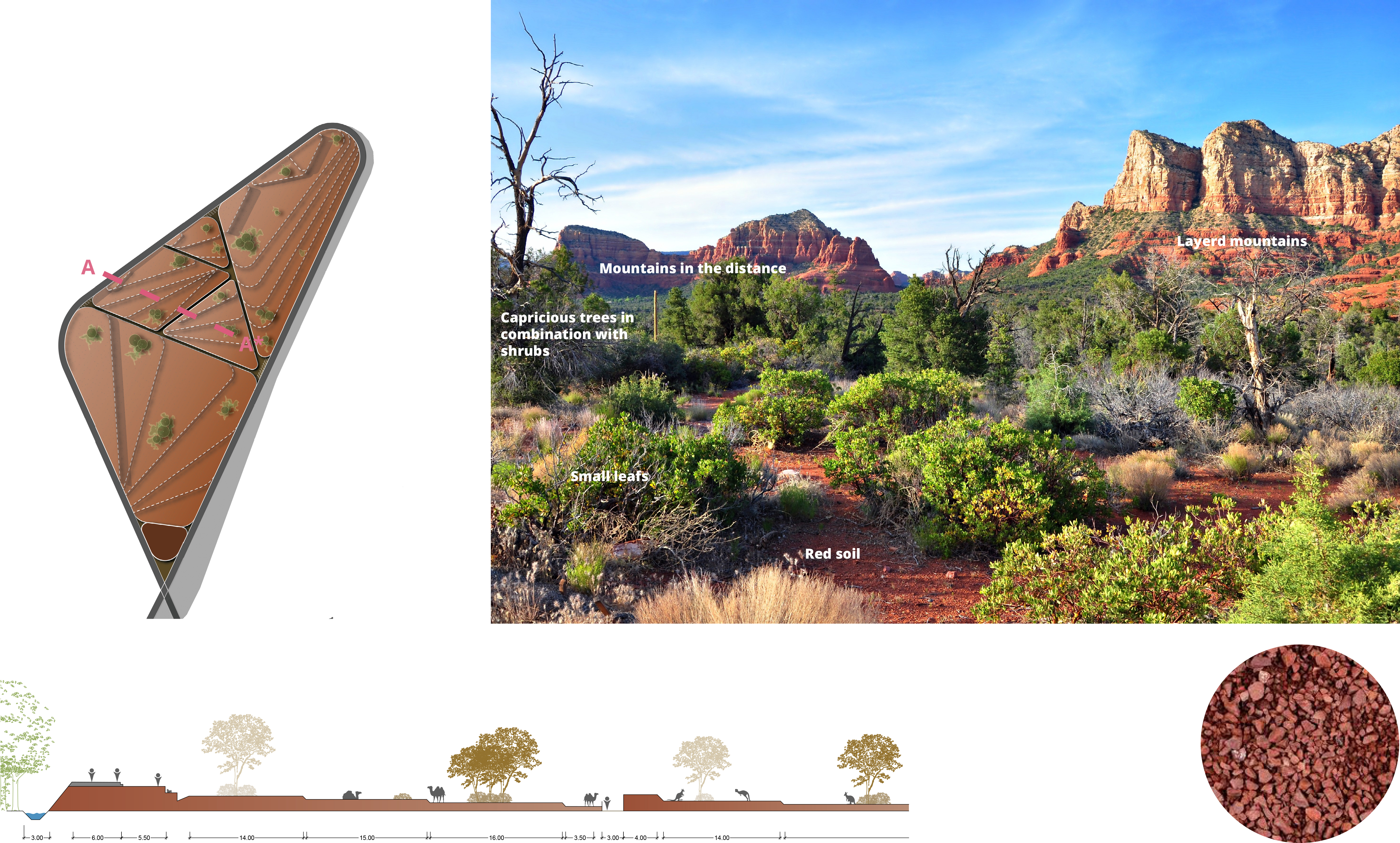
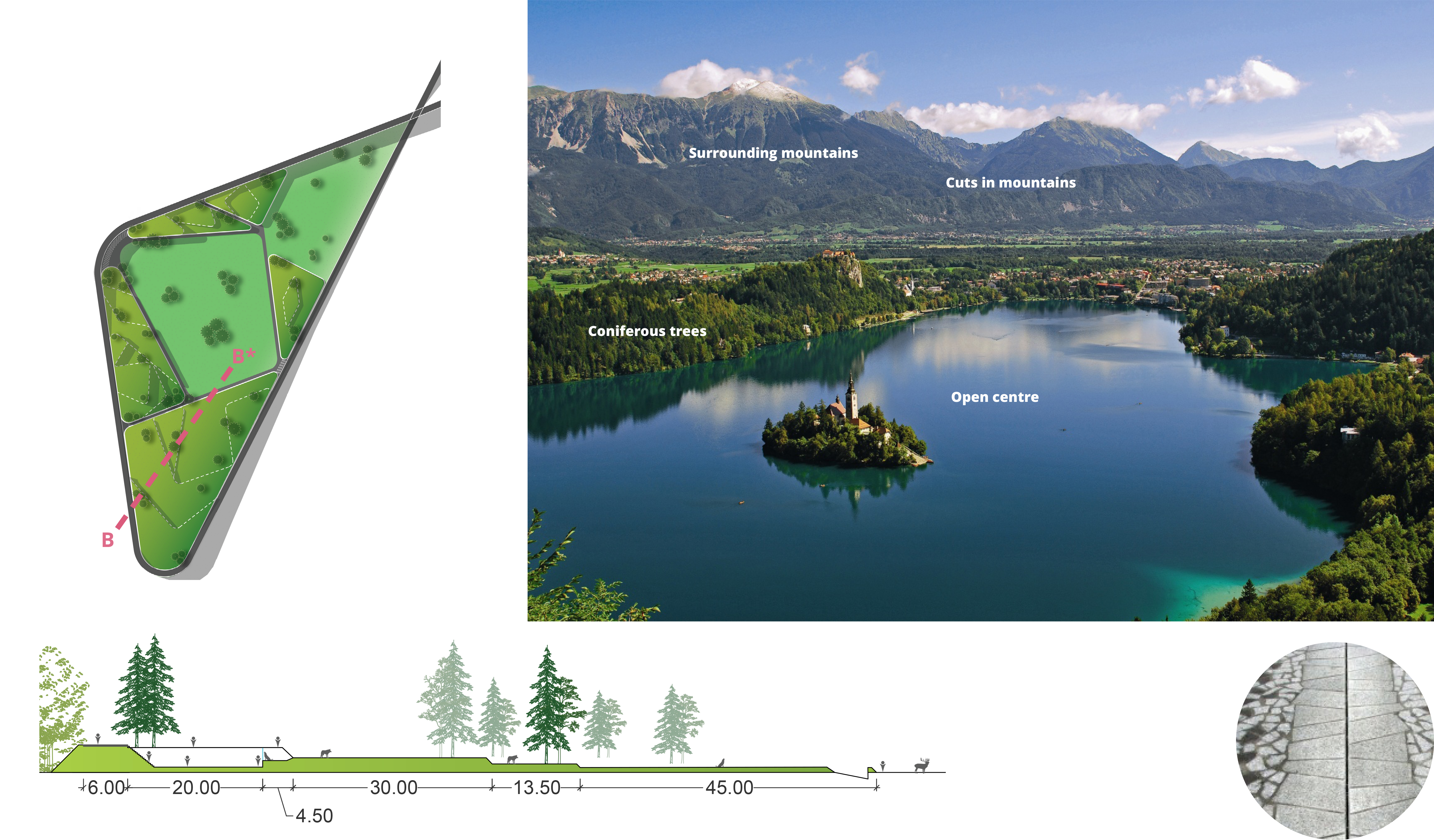
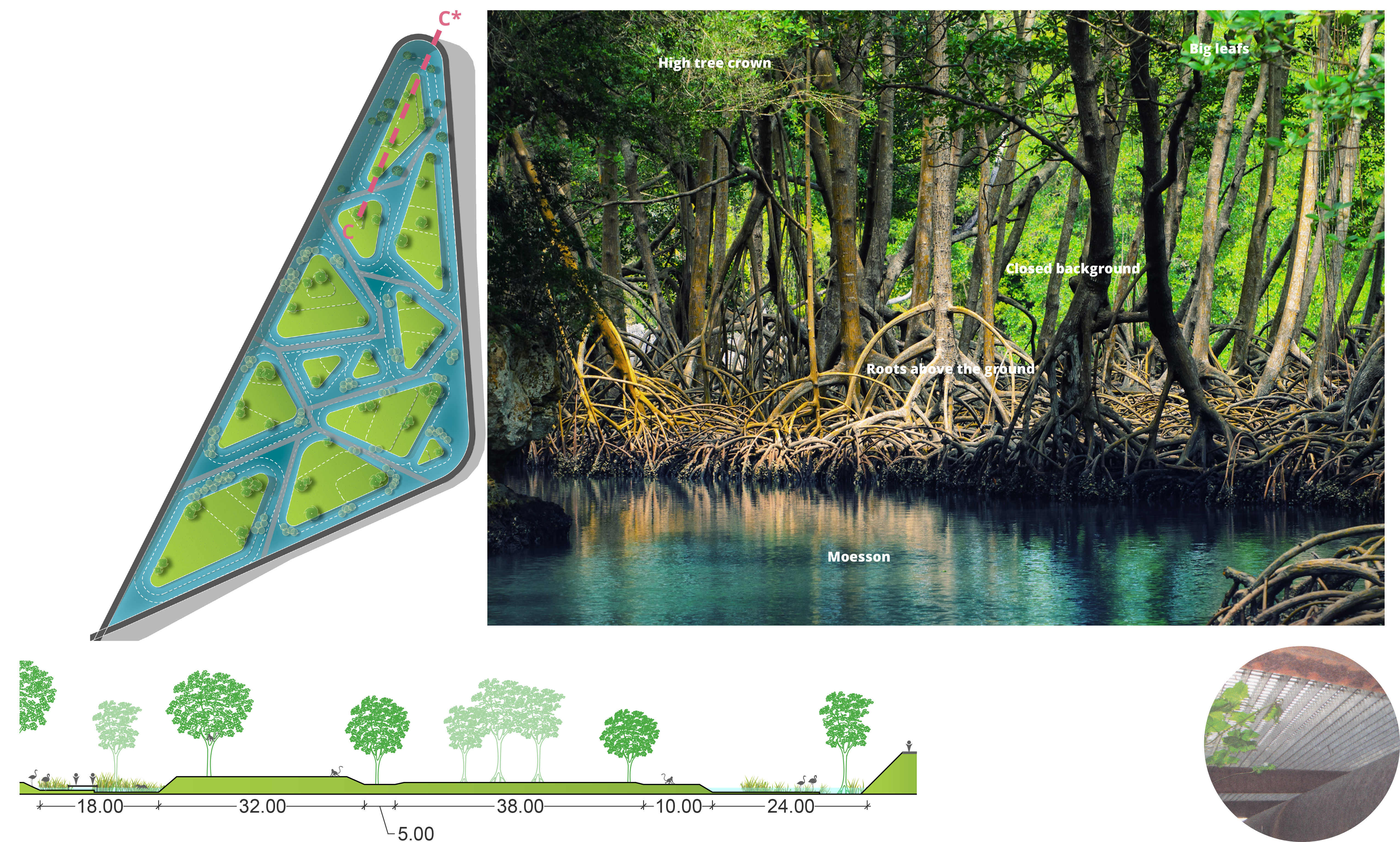

These images show the reference images and the way they are applied in a stylized manner.

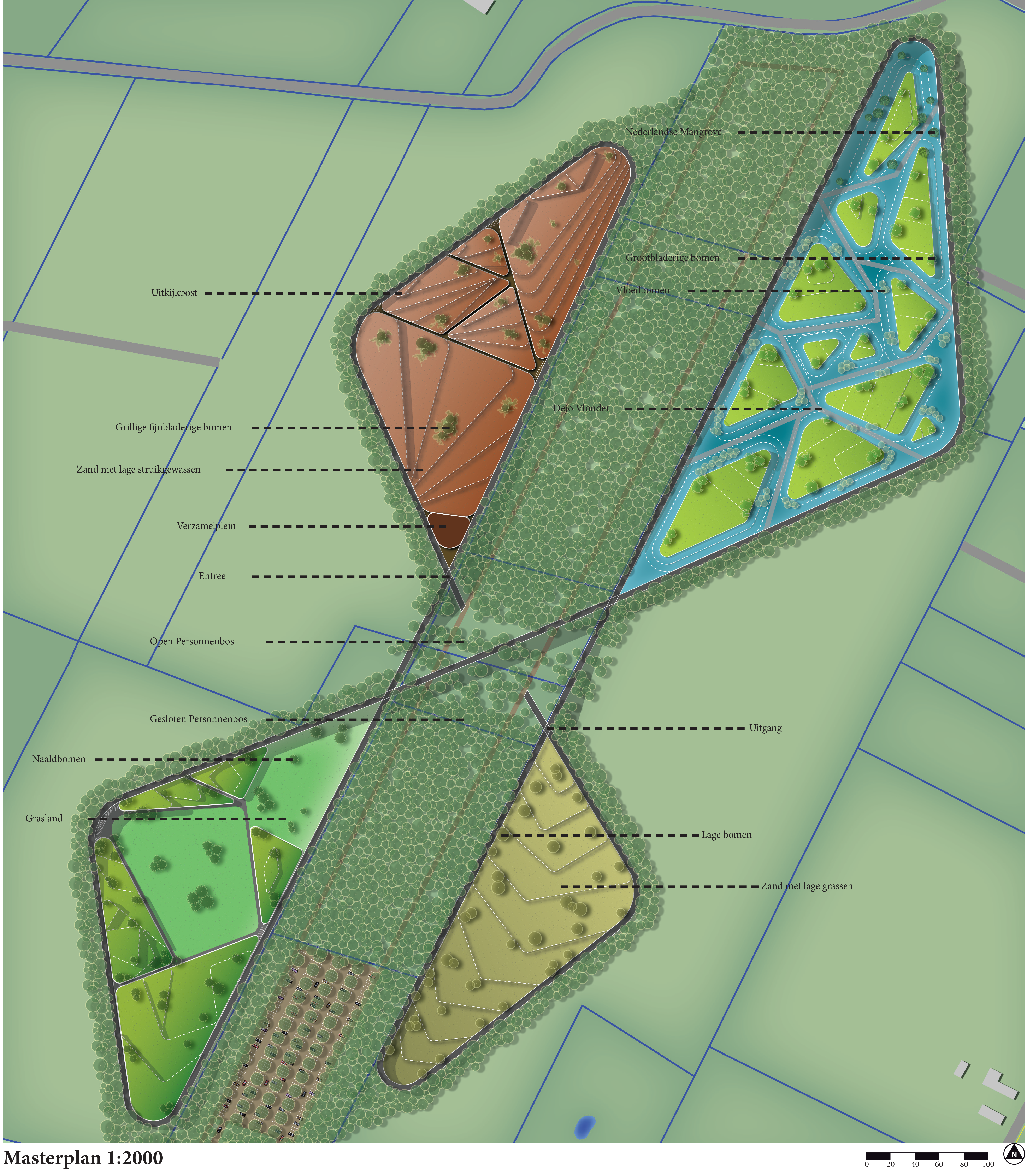
Detailed plan
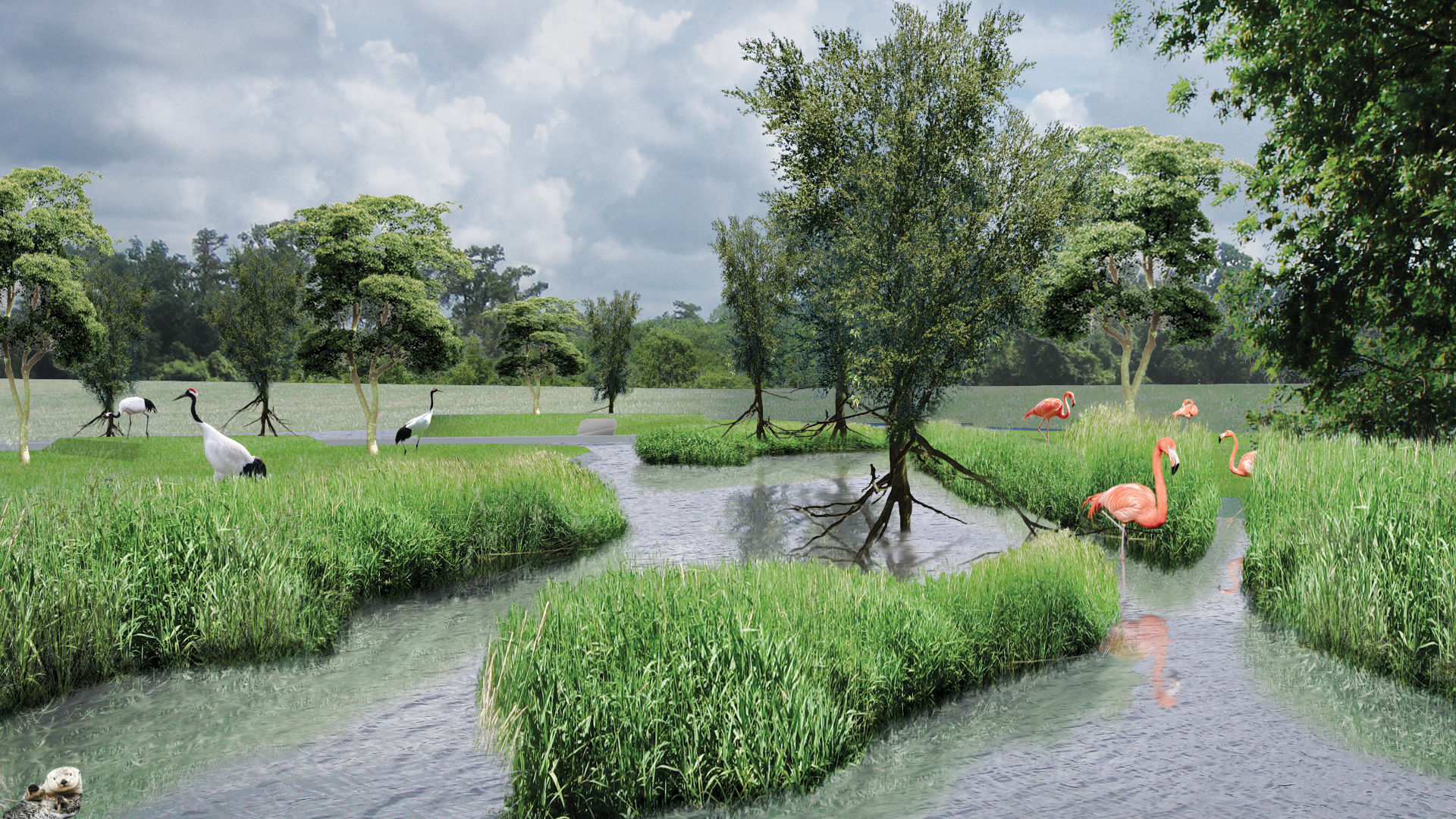
The tropical zone with Dutch Mangrove trees

Vegetation in and around the forest
The middle section of the forest is being thinned out so it connects more with the surrounding landscape. This can be seen in the left picture. In the right picture you can see the difference of vegetation being used in the stroke surrounding the zones. Where the dike is higher more trees are planted. This closes off the zoo for the visitors and points the attention towards the zoo instead of away. The stroke uses the same vegetation as the forest, so it creates a even image while looking from the outside.

Pacing of visitors experience intensity
When applying the pacing of blockbuster movies there is a buildup to the climax which is situated in the tropics. The first key event shows a high action at the entrance. Here people are made excited for the rest of the zoo. While heading to the second key event people get briefed about the zoo . At the second key event there are big stairs where people get an overview of the land zone. While crossing the bridge you get to the third event. Its movies its known as the preparation to the climax. The final key event shows a dutch mangrove forest with a lot of water and height differences which is a spectacle for the eye. Moving from the climax to the dune zone the intensity rapidly decreases and the experience comes to an end.
In late August 2016 I got the assignment to design a 16 hectare (40 acre) zoo. This zoo was going to be situated near the city of Nijmegen in the Netherlands.
The client asked for an innovative zoo that stand out of the other ones situated in the Netherlands. I thought, why only Netherlands? Always shoot big and for the zoo it means, go for international fame! With that in mind I designed a zoo which contains a stylized landscape.

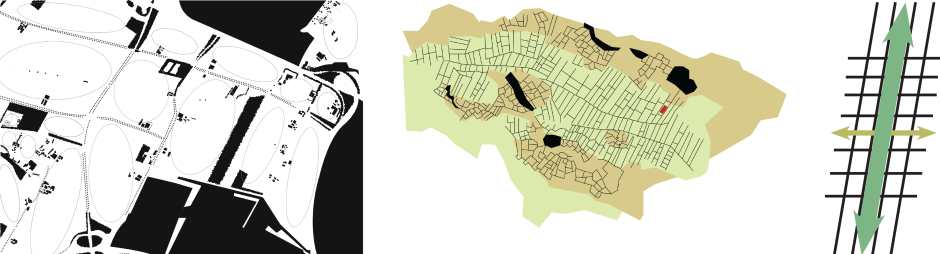
From L to R: Mass and Space, Parcels and conclusion
The conclusion is that there are many of big spaces in the area and the parcels are mostly straight lines. The forest where the zoo is situated is a barrier between the east and west.

Concept: The Mobius band.
The concept for the zoo is the Mobius band. When you make the band from paper and cut it twice in the lenght, it creates four bands that interlock in the centre. For the Zoo this is a interesting shape. When the shape is translated into a pathway it creates a circuit and clear path.
The designs reaction on the surrounding landscape can be broken down into three scales. In the biggest scale the zoo compliments the size of the existing forrest, by joining it because of its size. In the middle its a bit more open, so people can peek into the landscape. The second reaction is on the straight lines that were concluded in the parcelmap. The addition of curves gives the zoo something extra that the surrounding does not have. On the last level the straight lines and curves are also implemented, but every zone has its own characteristics.

From L to R: Exploded exploded axon, heightmap, functions
Crossing points
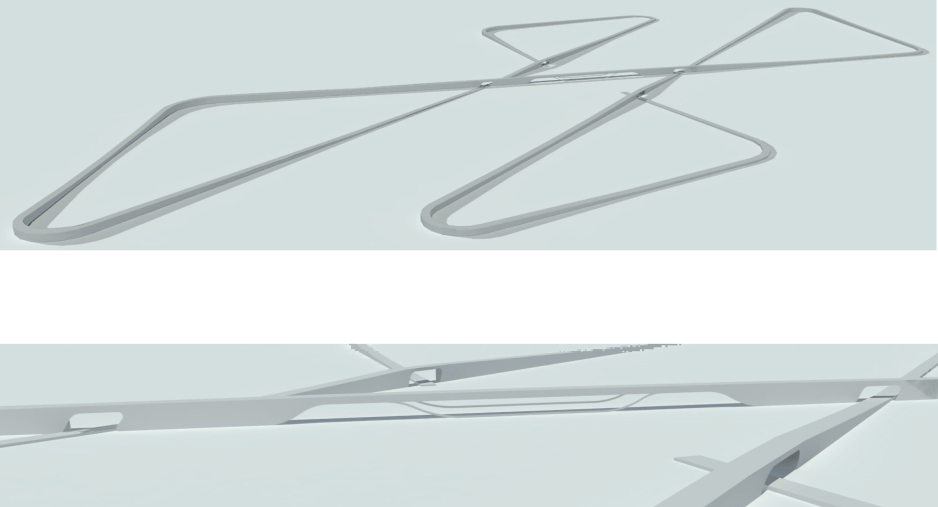
Height and crosspoints

Abstract principle sections

Shape study

From L to R the zones with their corresponding shapes: Desert, Land, Tropics and Dunes


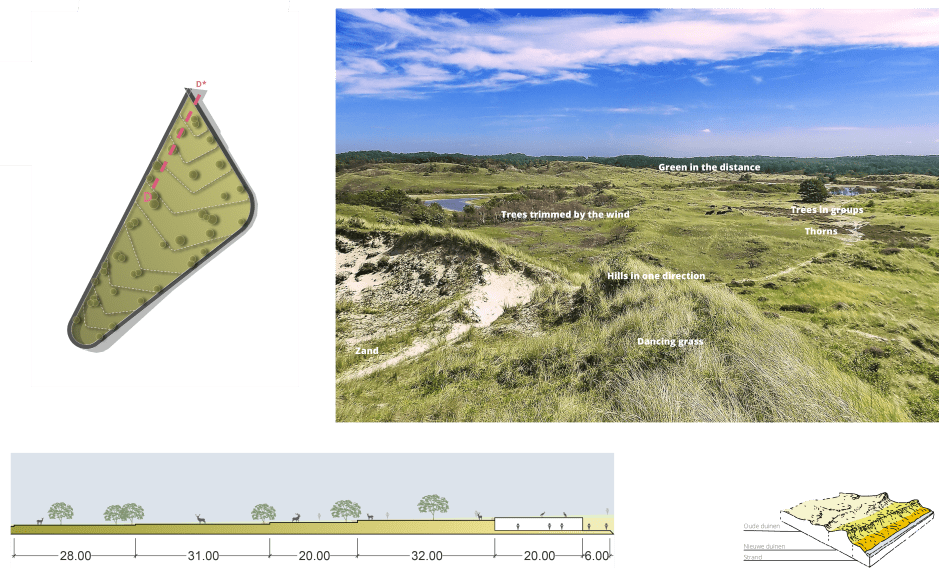
These images showed the reference and the way they are applied in a styled way.

Detailed plan of the tropics (1:500)

Visual of the open tropics area with view on the dutch Mangrove forest
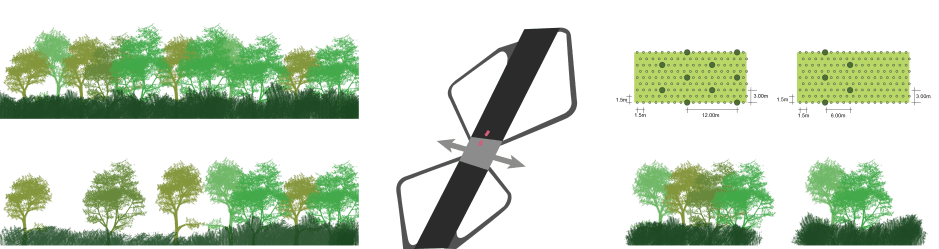
Vegetation in and around the forest
The middle section of the forest is being thinned out so it connects more with the surrounding landscape. This can be seen in the left picture. In the right picture you can see the difference of vegetation being used in the stroke surrounding the zones. Where the dike is higher more trees are planted. This closes off the zoo for the visitors and points the attention towards the zoo instead of away. The stroke uses the same vegetation as the forest, so it creates a even image while looking from the outside.

Pacing of intensity
When mapping and applying pacing of blockbuster movies there is a buildup to the climax which is situated in the tropics. The first key event shows a high action at the entrance. Here are people made excited for the rest of the zoo. While heading to the second key event people get briefed about the zoo and when arriving there is a other event. At the second key event is a big stair and people get a overview of the land zone. While crossing the bridge you get prepared by the third event. Its also know as the preparation to the climax.The final key event shows a dutch mangrove forest with a lot of water and height differences. At the dune zone the intensity rapidly decreases and the experience comes to an end.
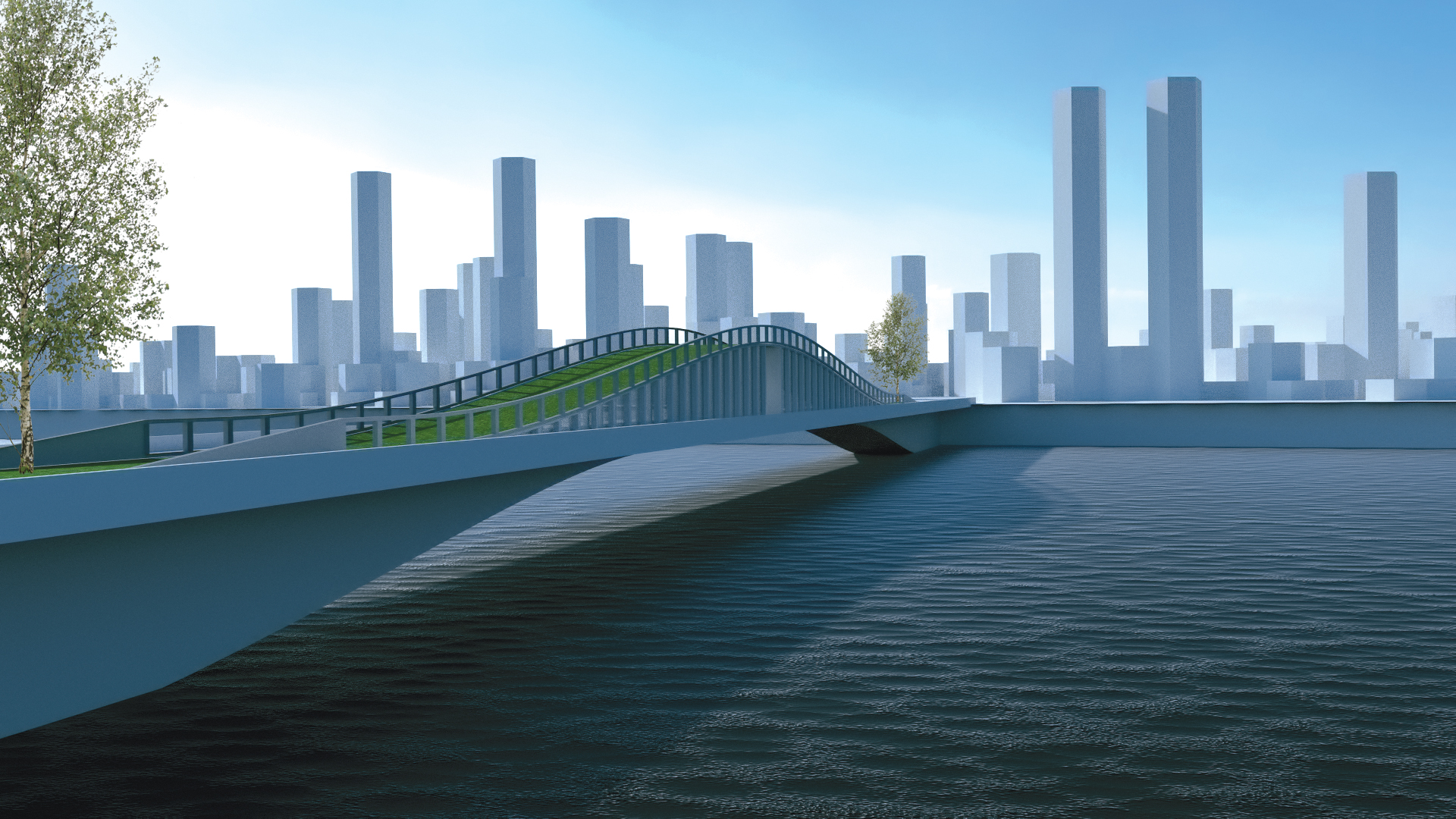
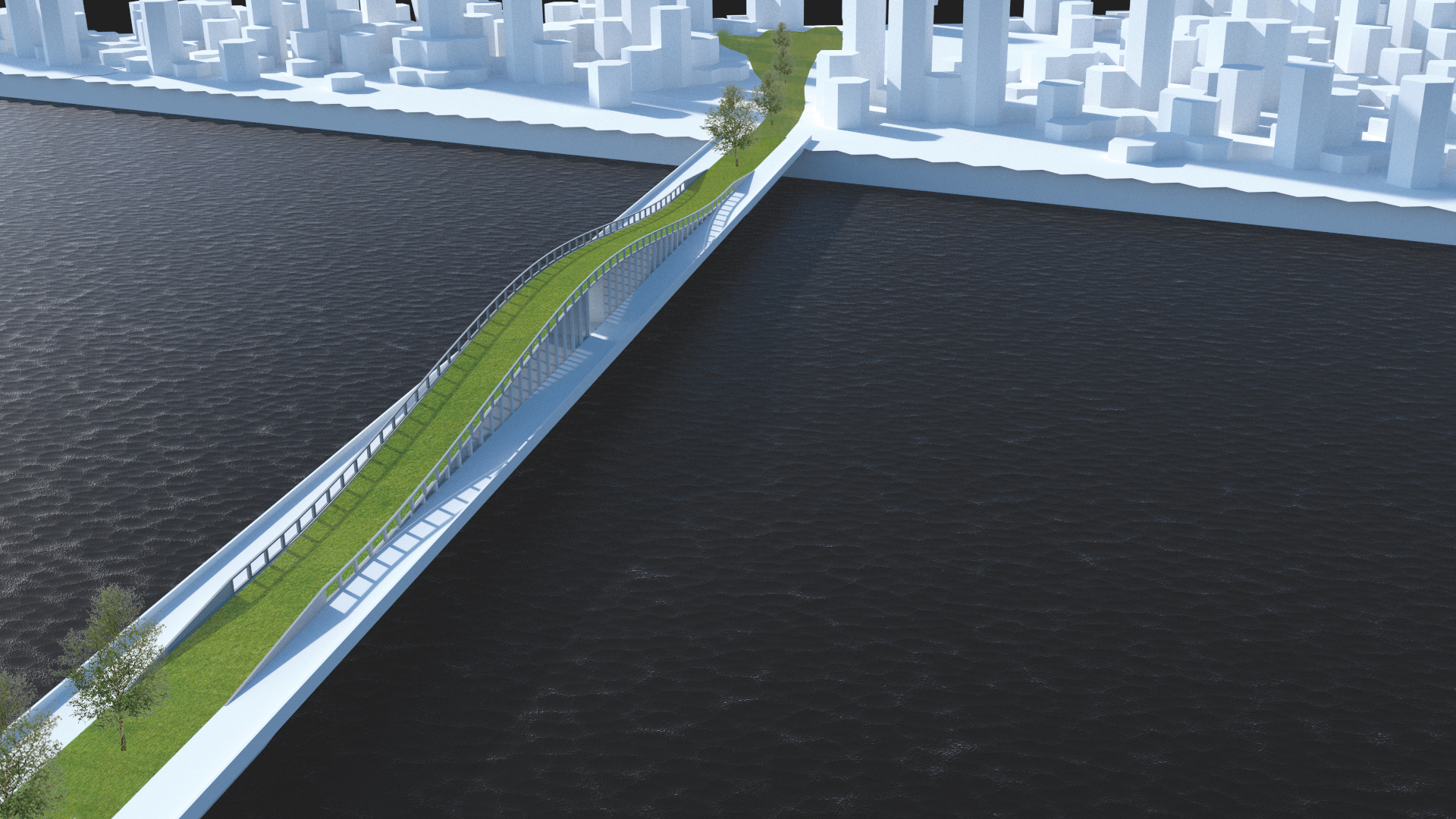
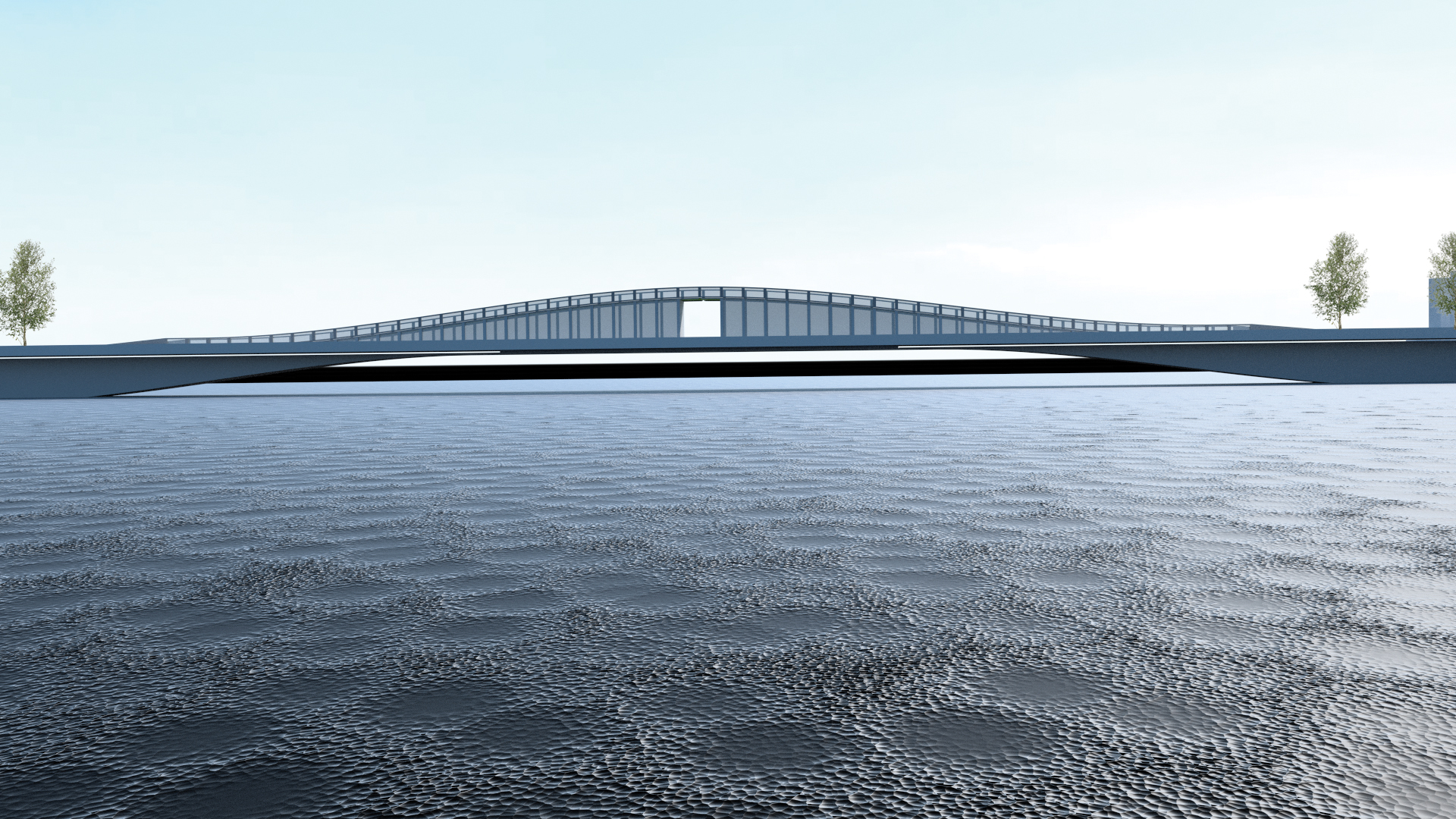
This was just a quick conceptual design of a bridge I had in mind. The idea is that the bridge is only accessible for bicycles and pedestrians. Under the arch of the bridge there is room for bars and restaurants.
 Nauka Design